Style, strength, and security over every home.
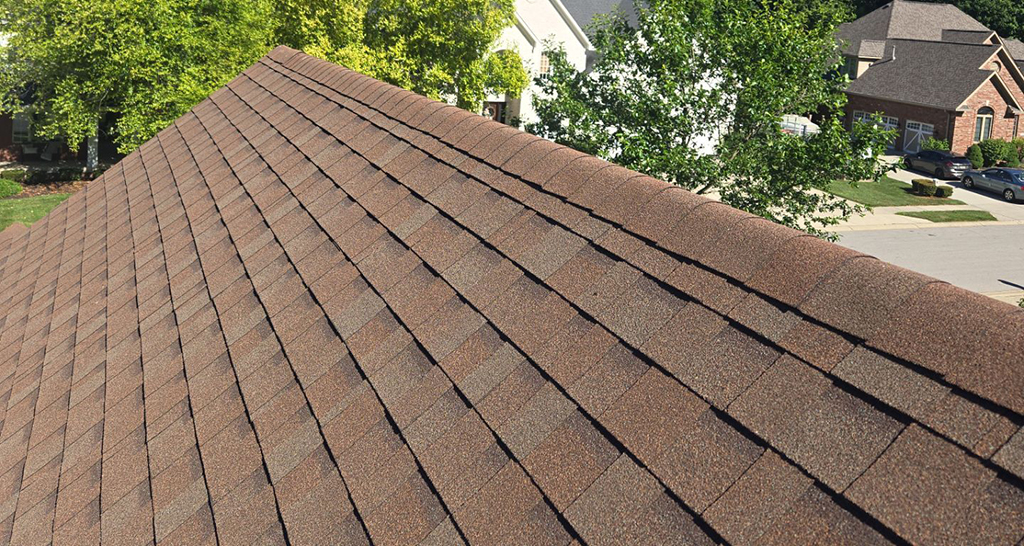
Residential roofing protects homes from the elements while also contributing to the overall appearance and value of the property. Depending on the region, roofs must be built to handle snow accumulation, hail, heavy rains, strong winds, and fluctuating temperatures. Homeowners often choose from materials like asphalt shingles, metal panels, clay tiles, cedar shakes, or modern synthetic options. Each material offers unique benefits in terms of cost, durability, and style. A roof’s performance depends not just on materials, but also on proper ventilation, drainage, and skilled craftsmanship. Regular maintenance, especially after storms, helps catch issues like missing shingles or hidden leaks early. Energy-efficient roofing and reflective materials are gaining popularity as utility costs rise. Ultimately, a well-installed residential roof offers peace of mind and long-term protection for the entire home.
Installation
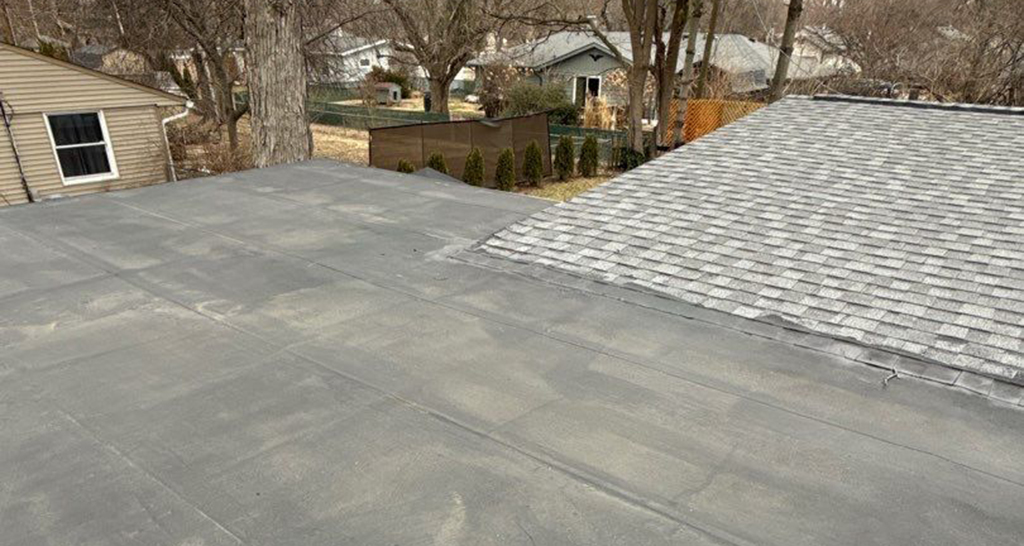
Roofing installation involves the process of covering a building with a durable and weather-resistant roofing system. It begins with an assessment of the structure to determine the best roofing material, such as TPO, EPDM, PVC, metal, shingles, or tiles. The installation process typically includes removing the old roof (if needed), preparing the surface, and applying insulation for energy efficiency. Next, the selected roofing material is installed using methods like mechanical fastening, adhesive bonding, and heat welding. Proper drainage systems, such as gutters and downspouts, are integrated to prevent water buildup and leaks. Skilled contractors ensure the roof is sealed, reinforced, and inspected for durability and compliance with building codes. The project timeline varies depending on the size of the building, weather conditions, and complexity of the roofing system.
A well-installed roof improves energy efficiency, reduces maintenance costs, and extends the lifespan of the building. Regular inspections and maintenance help prevent costly repairs and ensure long-term performance. Investing in professional installation enhances protection, sustainability, and overall property value.
Key Steps of Roofing Installation:
- Begins with a structural assessment to determine the ideal roofing material.
- Old roofing is removed and surface is prepped for optimal installation.
- Insulation is added to boost energy efficiency and reduce utility costs.
- Roofing materials are applied using advanced techniques like heat welding and adhesive bonding.
- Final inspections ensure durability, weather resistance, and compliance with building codes.
Replacement
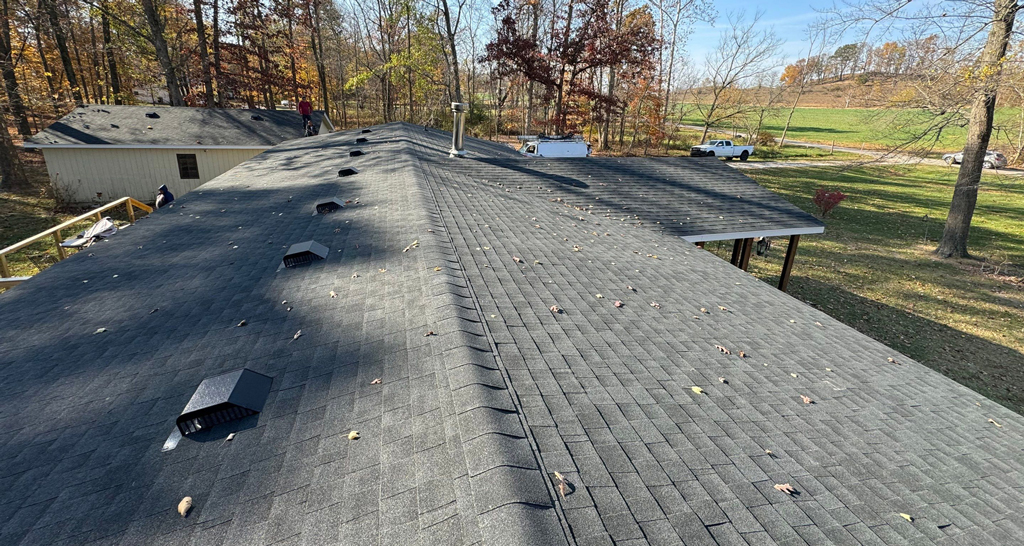
Roof replacement for residential buildings involves removing the old roofing system and installing a new, durable structure. The process begins with a thorough inspection to assess damage and determine the best materials, such as asphalt shingles, metal, TPO, or EPDM. Contractors then remove the existing roof, ensuring the decking is intact and replacing any damaged sections. A waterproof underlayment is installed to prevent leaks and improve durability. Next, the new roofing material is carefully installed using appropriate fastening, sealing, or heat-welding techniques. Proper flashing and ventilation systems are added to enhance longevity and energy efficiency. After installation, a final inspection ensures compliance with building codes and quality standards. The timeline varies based on the roof size, material, and weather conditions.
A well-executed roof replacement enhances property value, improves insulation, and protects against harsh weather. Regular maintenance and inspections help maximize the lifespan of the new roof.
Key Reasons to Consider Replacing Your Roof:
- Improved Safety: An aging roof can lead to leaks, structural damage, or even collapse in extreme cases. Replacing it ensures your home stays safe from weather elements.
- Energy Efficiency: Newer roofing materials are better insulated, reducing heat loss and helping to maintain a more consistent temperature inside your home. This can lower your energy bills.
- Increased Property Value: A new roof can significantly boost your home’s market value, making it more appealing to potential buyers if you decide to sell.
- Avoid Costly Repairs: Old roofs may need constant repairs, and those costs can add up over time. Replacing the roof is often more cost-effective in the long run.
- Aesthetic Upgrade: A new roof can give your home a fresh, updated look and increase its curb appeal, improving its overall appearance and neighborhood value.
Repair & Maintenance
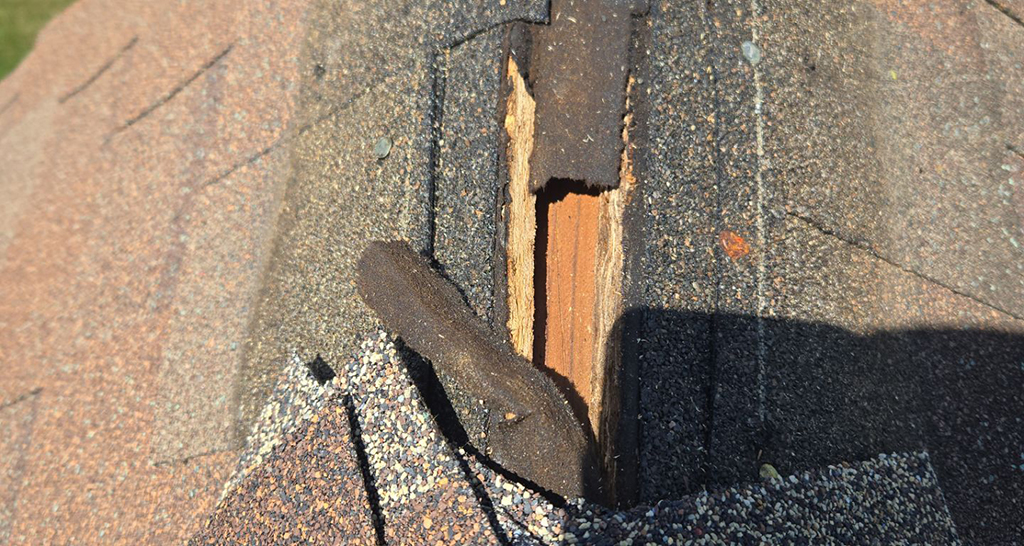
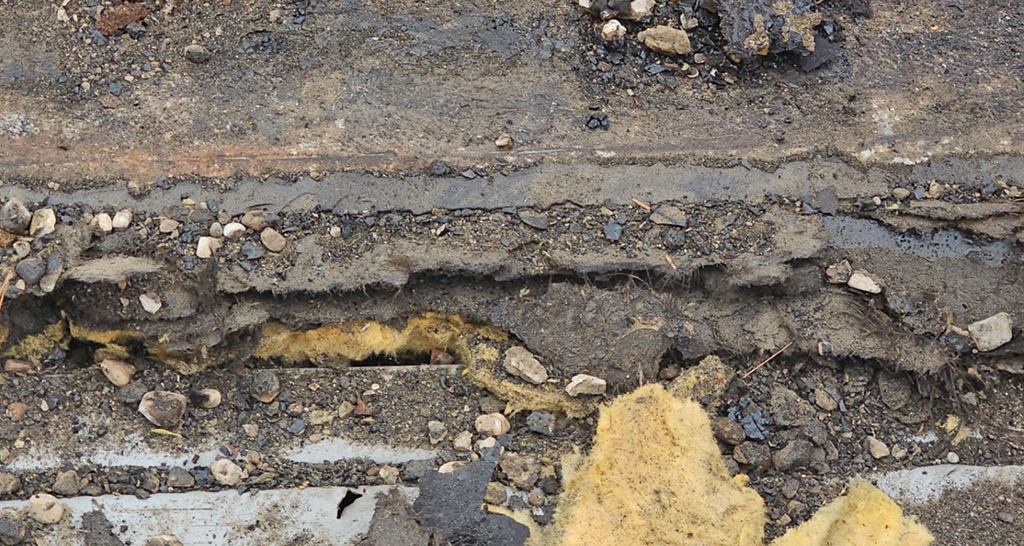
Roof repair and maintenance are essential for extending the lifespan of a roofing system and preventing costly damage. Regular inspections help identify leaks, missing shingles, cracks, or water damage before they worsen. Small repairs, such as patching leaks, replacing damaged shingles, and sealing cracks, prevent structural issues. Cleaning gutters and removing debris improves drainage and prevents water buildup. Proper maintenance includes checking flashing, vents, and seals to ensure they remain intact and weather-resistant. Routine inspections help detect mold, rot, or insulation problems that can impact energy efficiency.
Addressing minor issues early prevents costly replacements and prolongs the roof’s lifespan. Seasonal maintenance, especially before winter or storm seasons, protects against extreme weather conditions. A well-maintained roof enhances safety, efficiency, and overall property value.
What to Watch For—Protecting Your Roof Before It’s a Problem:
- Storm Damage: High winds, hail, or falling branches can crack, dislodge, or puncture roofing materials.
- Leaks or Water Stains: Water spots on ceilings or walls often point to roof leaks caused by damaged shingles, flashing, or underlayment.
- Missing or Curling Shingles: Aging or storm-damaged shingles can become loose, curl up, or go missing entirely, exposing the roof to further damage.
- Clogged Gutters: Blocked gutters can lead to water backup, which may cause roof edge rot or ice dams in colder months.
- Moss or Algae Growth: Excess moisture can lead to biological growth that breaks down roofing materials over time.
- Cracked or Worn Flashing: Flashing around chimneys, vents, and skylights can degrade, leading to leaks in vulnerable areas.