
Durable solutions for every building.
Roofing comes in a variety of materials and systems designed to provide durability, energy efficiency, and weather protection. Popular options include TPO (Thermoplastic Polyolefin) and PVC (Polyvinyl Chloride) membranes, which offer excellent UV resistance and flexibility. EPDM (Ethylene Propylene Diene Monomer) is a durable rubber roofing option known for its longevity and resistance to extreme temperatures. Metal roofing provides superior strength, fire resistance, and a sleek appearance, while built-up roofing (BUR) and modified bitumen systems offer multi-layer protection against harsh weather conditions. Choosing the right roofing type depends on factors such as climate, budget, building design, and maintenance needs.
TPO - Thermoplastic Polyolefin
TPO roofing membrane is a highly durable, energy-efficient, and cost-effective roofing option commonly used for commercial buildings. Known for its heat-reflective properties, TPO helps reduce energy costs by minimizing heat absorption and improving the building’s overall energy efficiency. It is resistant to UV rays, chemicals, and ozone, offering long-term protection against weathering and wear. TPO roofing is lightweight, flexible, and easy to install, with seams that can be welded to create a watertight seal. Its low-maintenance nature and excellent durability make it a popular choice for flat or low-slope roofs, providing both performance and reliability for commercial applications.
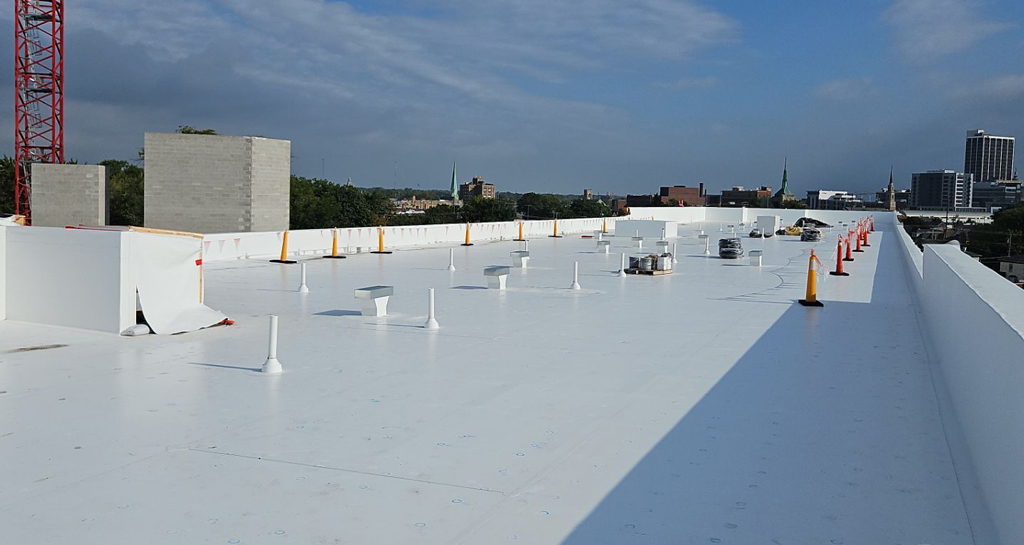
Key Features:
- Single-Ply Membrane: Lightweight and flexible material.
- Heat-Welded Seams: Creates a watertight, durable seal.
- UV-Reflective Surface: Typically white, helping reduce heat absorption.
- Chemical & Weather Resistance: Withstands extreme temperatures, UV rays, and some chemical exposure.
Benefits:
- Cost-Effective: Generally cheaper than PVC roofing.
- Energy Efficiency: Reflects heat, lowering cooling costs.
- Weather Resistance: Handles UV rays, rain, and wind well.
- Durability: Resistant to punctures, tears, and microbial growth.
- Eco-Friendly: 100% recyclable and free from chlorine.
EPDM - Ethylene Propylene Diene Monomer
EPDM roofing membrane is a highly durable and versatile synthetic rubber roofing solution, commonly used for flat or low-slope commercial roofs. Known for its exceptional resistance to weather elements, UV radiation, and extreme temperatures, EPDM offers long-lasting protection and energy efficiency. It is lightweight, flexible, and easy to install, making it a popular choice for both new construction and roof replacement projects. Additionally, EPDM membranes are low-maintenance, cost-effective, and environmentally friendly, with the ability to be recycled at the end of their lifespan. This roofing material provides excellent waterproofing and can withstand the harshest weather conditions, ensuring long-term reliability and performance.
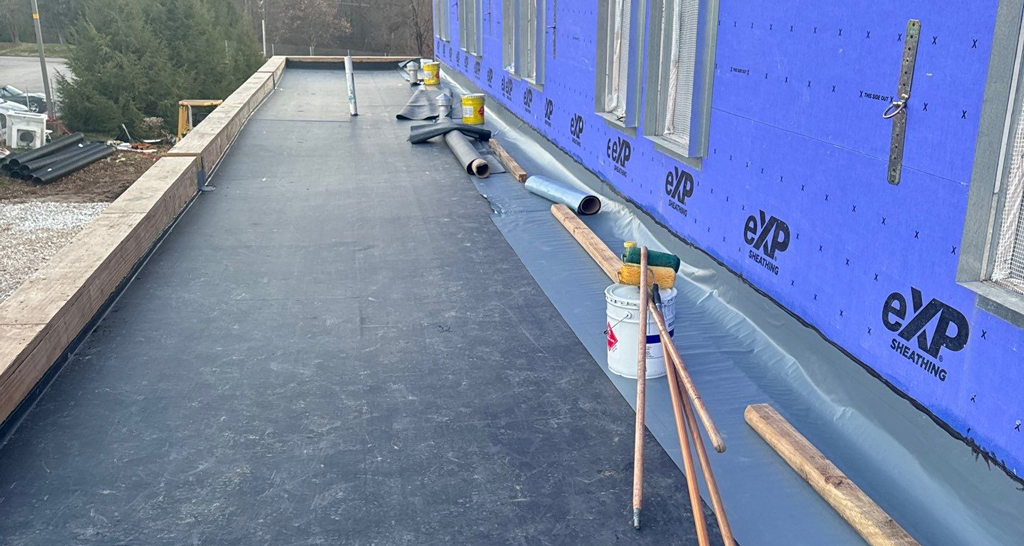
Key Features:
- Single-Ply Membrane: Made of synthetic rubber for excellent elasticity.
- Wide Sheet Sizes: Reduces the number of seams, minimizing leak potential.
- Black or White Options: Black absorbs heat, while white reflects sunlight for energy efficiency.
- Resistant to UV, Ozone, & Weathering: Performs well in extreme temperatures.
Benefits:
- Affordability: One of the most cost-effective roofing options.
- Longevity: Can last 25–30+ years with proper maintenance.
- Weather & UV Resistance: Performs well in various climates.
- Flexibility: Expands and contracts without cracking.
- Easy Installation & Repairs: Can be adhered, mechanically fastened, or ballasted.
PVC - Polyvinyl Chloride
PVC roofing membrane is a durable, energy-efficient, and cost-effective roofing solution, commonly used for commercial and industrial buildings. Known for its high resistance to UV radiation, chemicals, and extreme weather conditions, PVC membranes offer long-lasting protection against leaks and moisture. The material is lightweight, flexible, and highly resistant to punctures, making it easy to install and maintain. PVC roofing is also energy-efficient due to its reflective surface, which helps reduce cooling costs by reflecting sunlight and minimizing heat absorption. With its strong performance and longevity, PVC roofing is an ideal choice for buildings that require reliable, low-maintenance, and environmentally-friendly roofing solutions.
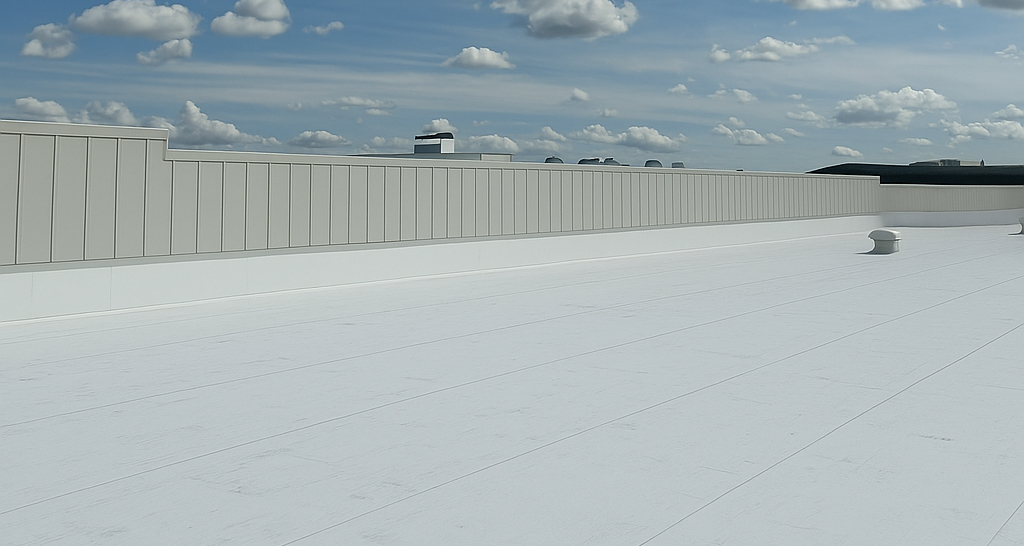
Key Features:
- Single-Ply Membrane: A flexible yet strong sheet that provides a watertight seal.
- Heat-Welded Seams: Creates a seamless, leak-resistant surface.
- UV & Chemical Resistance: Withstands harsh weather and chemical exposure.
- Reflective Surface: Often white or light-colored for better energy efficiency.
Benefits:
- Durability: Lasts 20–30 years with proper maintenance.
- Waterproof & Leak-Resistant: Heat-welded seams prevent water infiltration.
- Energy Efficiency: Highly reflective surface reduces cooling costs.
- Chemical & Fire Resistance: Ideal for buildings exposed to grease, oils, or industrial chemicals.
- Low Maintenance: Resistant to mold, mildew, and punctures.
Modified Bitumen
Modified bitumen roofing is a durable, flexible, and weather-resistant roofing system commonly used on commercial and low-slope buildings. It consists of asphalt reinforced with rubber or plastic polymers, providing enhanced strength and flexibility. Installation methods include torch-applied, cold-applied, self-adhered, and hot-mopped systems, allowing for versatility in various climates. The multi-layer design offers excellent waterproofing, impact resistance, and UV protection, extending the roof’s lifespan. Modified bitumen is also known for its ease of maintenance and ability to withstand temperature fluctuations. With proper installation and upkeep, it provides long-lasting performance and reliable protection against harsh weather conditions.
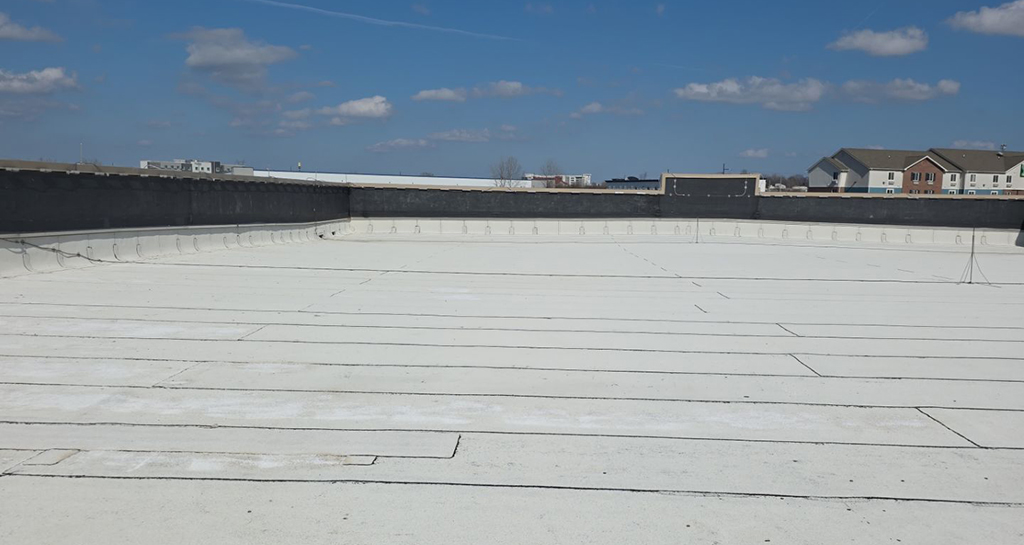
Key Features:
- Polymer-Reinforced Membrane: Asphalt enhanced with rubber or plastic polymers for added strength and flexibility.
- Multi-Layer Design: Provides a robust, weather-resistant barrier for low-slope commercial roofs.
- Versatile Application Methods: Can be installed via torch-applied, cold-applied, self-adhered, or hot-mopped systems.
- Flexible & Resilient: Adapts to temperature changes and building movement without cracking.
- UV & Weather Protection: Engineered to shield the roof structure from sun, rain, and harsh environmental conditions.
- Commercial-Grade Performance: Ideal for heavy foot traffic areas and demanding rooftop applications.
Benefits:
- Durability & Strength – Reinforced with rubber or plastic polymers for enhanced flexibility and resistance to cracking.
- Superior Waterproofing – Multi-layer design provides excellent protection against leaks and water damage.
- Versatile Installation – Can be applied using torch-down, cold-applied, self-adhered, or hot-mopped methods.
- UV & Weather Resistance – Withstands extreme temperatures, heavy rain, and prolonged sun exposure.
- Impact & Tear Resistance – Strong membrane resists punctures and foot traffic, making it ideal for commercial roofs.
- Low Maintenance – Requires minimal upkeep, with easy repairs extending the roof’s lifespan.
- Cost-Effective – Long-lasting performance reduces the need for frequent replacements, saving money over time.
Metal – Standing Seam
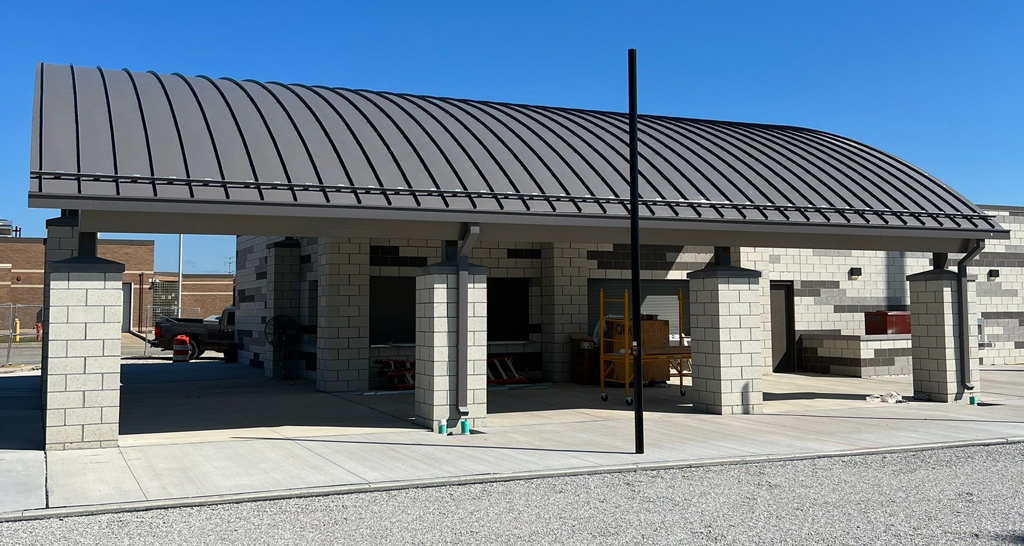
Metal roofs feature a flat surface in the middle and raised vertical seams connecting the panels. Standing seam roofs are durable, energy efficient, and weather resistant. Proper maintenance can push the lifespan of your metal roof up to 70 years. Steel and Aluminum are the most common metals used for standing seam roofs. Custom colors and sizes are available. Standing seam metal roofs are an excellent choice for roofing
Key Features:
- Raised Seams: The seams stand above the panel surface, reducing water penetration.
- Concealed Fasteners: Unlike traditional metal roofs with exposed screws, standing seam systems use hidden fasteners, improving longevity and aesthetics.
- Vertical Panel Design: Panels run vertically from the roof’s ridge to the eaves, allowing for effective water drainage.
Benefits:
- Durability: Typically lasts 40–70 years with proper maintenance.
- Weather Resistance: Strong against wind, rain, snow, and even fire.
- Energy Efficiency: Reflects heat, reducing cooling costs in warm climates.
- Low Maintenance: Requires minimal upkeep compared to shingles or other roofing materials.
- Modern Aesthetic: Provides a sleek, contemporary look.
Shingles – Asphalt, wood, metal
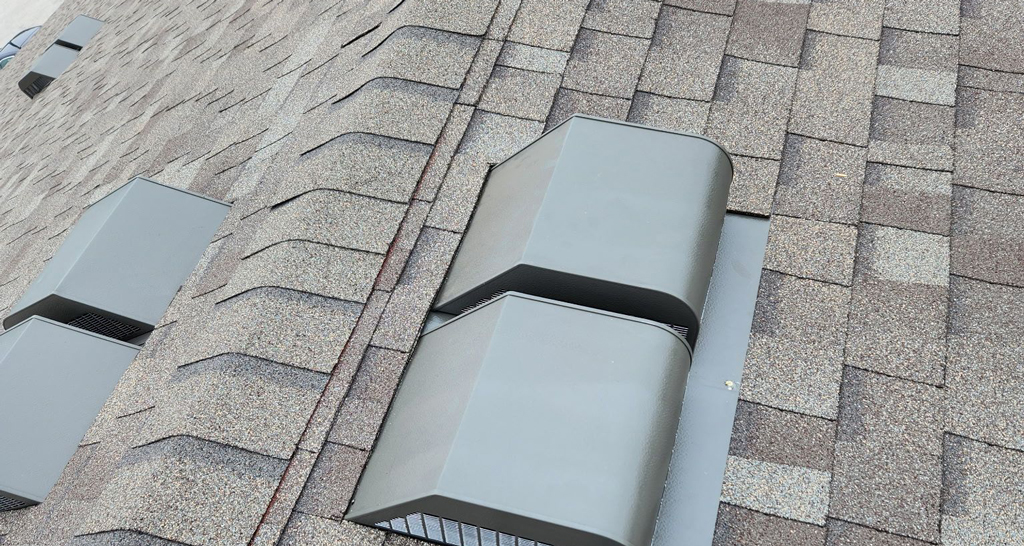
Roof shingles are thin, flat, overlapping tiles that cover a roof. They are made from a variety of materials that include asphalt, wood, stone, and metal. Shingles come in a variety of colors, shapes, and sizes and they are the most cost-effective choice for residential roofing.
Key Features:
- Overlapping Design: Provides a watertight barrier to protect against the elements.
- Variety of Materials: Available in asphalt, wood, metal, and composite options.
- Flexible Aesthetic Options: Comes in different colors, styles, and textures to match various architectural designs.
Benefits:
- Affordability: Generally cheaper than metal or tile roofs.
- Ease of Installation & Repair: Quick to install and individual shingles can be replaced easily.
- Versatile Designs: Works well with different home styles.
- Moderate Durability: Asphalt shingles typically last 20–30 years, with higher-end options lasting longer.
- Good Weather Resistance: Can handle wind, rain, and moderate hail when properly installed.
Tiles – Clay, Slate, Concrete, Synthetic materials, and many others
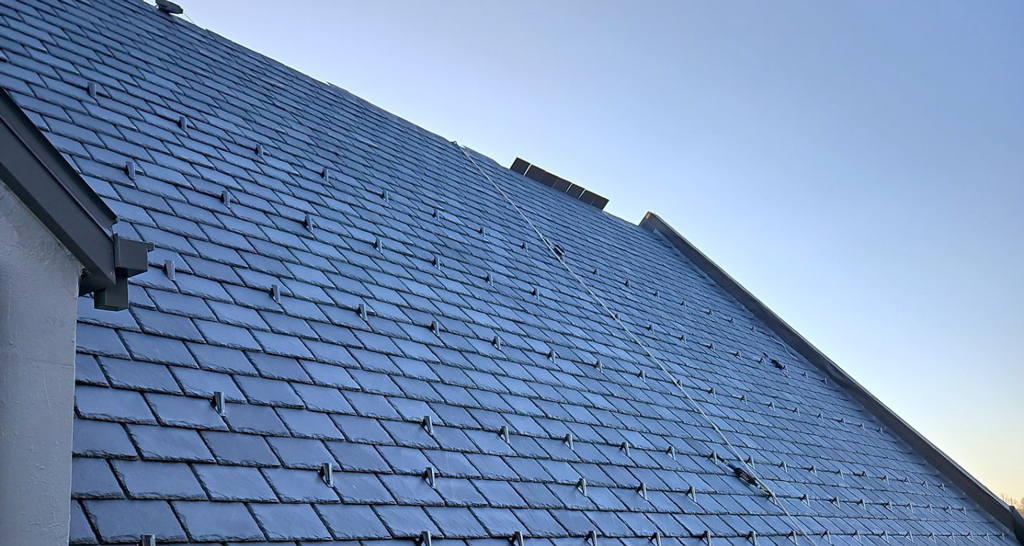
Tile roofs are notably resistant to wind, water, hail, frost, fire and insects. Proper material selection, sturdy roof structure, and normal maintenance can push the lifespan of a tile roof over 100 years. The tiles come in a variety of materials and colors and tend to be more aesthetically pleasing than shingled roofs.
Key Features:
- Interlocking Tiles: Designed to overlap and shed water efficiently.
- Heavyweight Construction: Provides stability but requires a strong roof structure.
- Variety of Styles & Colors: Available in curved, flat, or interlocking designs with multiple finishes.
Benefits:
- Longevity: Can last 50–100+ years with proper maintenance.
- Weather Resistance: Highly resistant to rain, hail, fire, and extreme temperatures.
- Energy Efficiency: Provides natural insulation, reducing cooling costs.
- Aesthetic Appeal: Enhances curb appeal with a timeless, elegant look.
- Low Maintenance: Requires minimal upkeep compared to other materials.
Green Roof
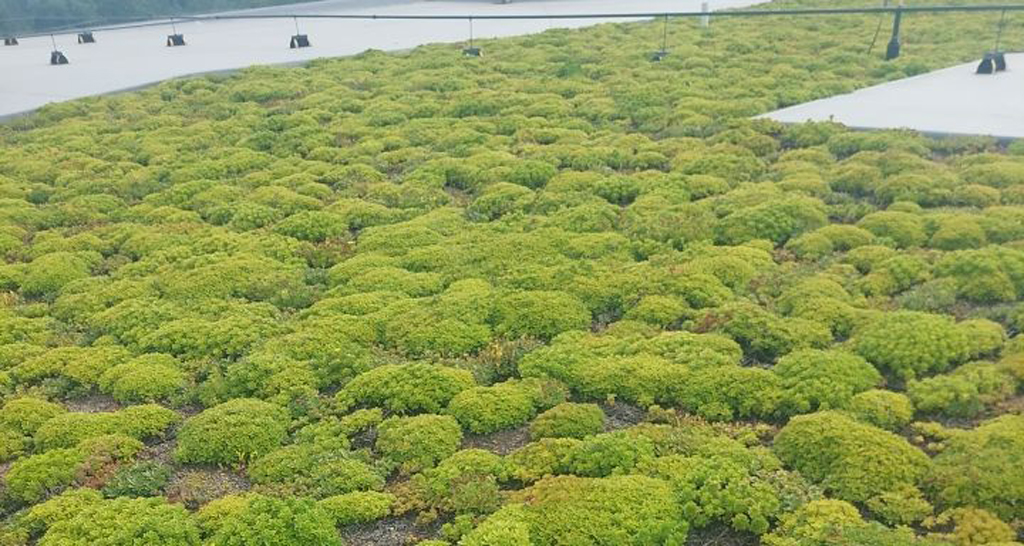
A green roof is a rooftop covered with vegetation, designed to provide environmental, economic, and aesthetic benefits. It consists of layers, including a waterproof membrane, drainage system, growing medium, and plants. Green roofs help improve air quality, reduce urban heat, manage stormwater, provide insulation, and enhance biodiversity. They are categorized into extensive (lightweight, low-maintenance) and intensive (heavier, supports larger plants). While initial costs can be high, long-term benefits include energy savings and extended roof lifespan.
Key Features:
- Multi-Layered Construction: Built with a waterproof membrane, drainage system, growing medium, and vegetation.
- Customizable Design: Options for extensive (lightweight, low-maintenance) or intensive (heavier, supports larger plants).
- Durable Protection: Engineered to shield the underlying roof structure from direct exposure to weather.
- Thermal Performance: Naturally moderates rooftop temperature fluctuations.
- Adaptable Applications: Suitable for a range of commercial building types and roof structures.
- Long-Term Value: Adds resilience and functionality that contribute to overall building performance.
Benefits:
- Improves Air Quality – Plants absorb pollutants and carbon dioxide, enhancing urban air quality.
- Reduces Urban Heat – Lowers rooftop temperatures, helping to mitigate the heat island effect.
- Manages Stormwater – Absorbs rainwater, reducing runoff and preventing drainage system overloads.
- Provides Insulation – Enhances energy efficiency by keeping buildings cooler in summer and warmer in winter.
- Supports Biodiversity – Creates habitats for birds, bees, and other wildlife in urban areas.
- Increases Roof Longevity – Protects against UV rays and weather, extending the roof’s lifespan.
- Enhances Aesthetics & Well-being – Adds greenery to cityscapes, improving mental health and property value.